Pharmacy Optum Trusted prescriptions and health guidance, delivered.

Pharmacy Optum

Trusted prescriptions and health guidance, delivered.

Latest Articles

The Blank Space on the Label: Turning 'As Directed' Into a Dose You Can Follow
Medication Safety

The Blank Space on the Label: Turning 'As Directed' Into a Dose You Can Follow

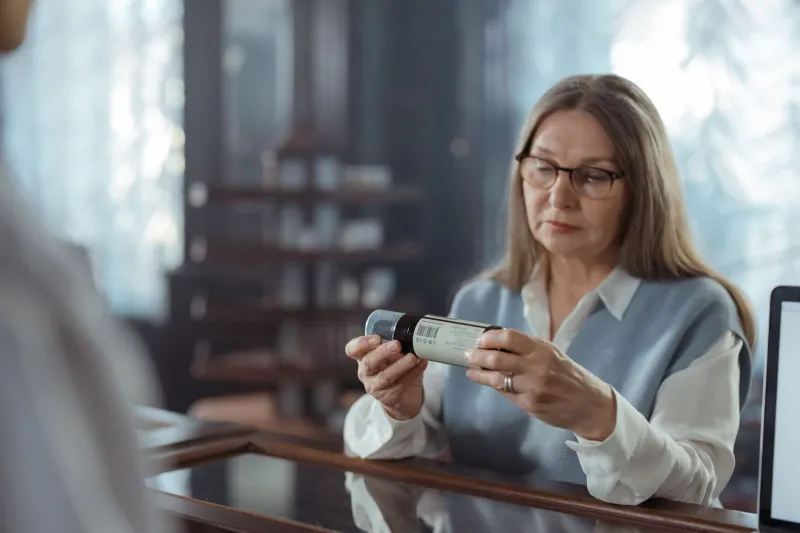
A prescription label can look finished and still leave the most important part undecided. When the directions say 'as directed,' patients are asked to reconstruct a dose from memory, a discharge sheet, or a hurried conversation. This guide explains why the phrase persists, where it creates risk, and how to ask for written directions that match the prescriber's plan.

The Refill Clock: When Your Plan Says 'Too Soon' and Your Bottle Says 'Empty'
Prescription Savings

The Refill Clock: When Your Plan Says 'Too Soon' and Your Bottle Says 'Empty'

A refill-too-soon rejection is not a judgment about your health — it is arithmetic performed by your plan's claims system. Here is how days supply, fill dates, and quantity limits combine to block a fill, which exceptions are legitimate, and what to say to get the medicine you need before the bottle runs dry.

The Monthly Pickup Reset: Syncing Refills Before the 2026 Holiday Rush
Medication Safety

The Monthly Pickup Reset: Syncing Refills Before the 2026 Holiday Rush

Medication synchronization can turn a scattered refill calendar into one predictable monthly pickup date. Before the 2026 holiday season, here is how to ask for it, what tradeoffs to expect, and how to test the schedule without creating new gaps in care.

A Spoonful Is Not a Dose: Getting Liquid Medicines Right at Home
Medication Safety

A Spoonful Is Not a Dose: Getting Liquid Medicines Right at Home

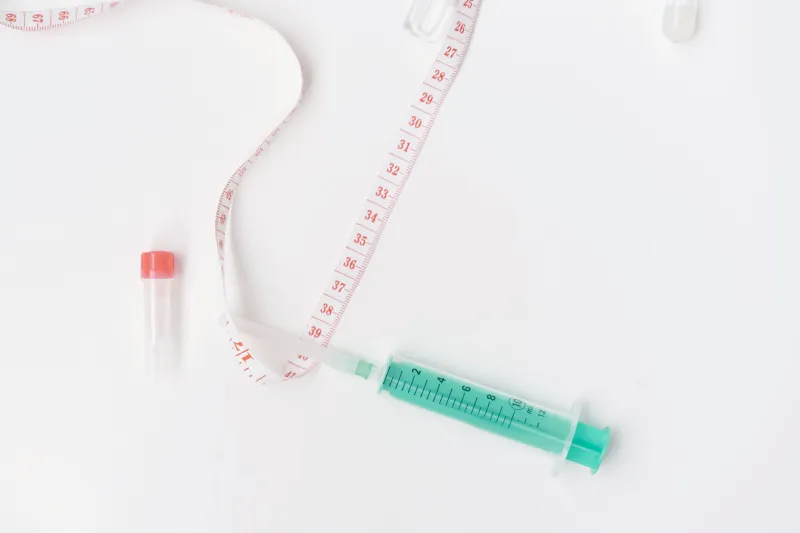
Liquid medications are formulated to be shaken, measured, and stored in specific ways, and each of those steps affects how much drug actually reaches the patient. This guide explains why suspensions separate, how household spoons distort a dose, and what to do when a dose ends up on the kitchen floor instead of in a child.

New Card, New Rules: A Pre-January Insurance Readiness Review for Your Prescriptions
Prescription Savings

New Card, New Rules: A Pre-January Insurance Readiness Review for Your Prescriptions

A new insurance card can change more than the copay. Before the first pharmacy visit of the next plan year, patients should verify formulary coverage, pharmacy network status, deductible rules, and prior authorization requirements. This practical review helps prevent a routine refill from becoming a January delay.

After the Seal Breaks: The Clock That Starts When You Open a Medicine
Medication Safety

After the Seal Breaks: The Clock That Starts When You Open a Medicine

A manufacturer's expiration date describes an unopened medicine stored as directed, not the eye drops you opened in June. This guide explains beyond-use dating, the products most likely to lose potency or cleanliness after opening, and a simple system for marking the date at home.

Ready to Fill, Not Yet Cleared: The Renewal Step That Can Leave a Prescription in Limbo
Medication Safety

Ready to Fill, Not Yet Cleared: The Renewal Step That Can Leave a Prescription in Limbo

A pharmacy can have your medicine on the shelf and still be unable to release it. The missing piece is often a prescriber's renewal authorization—a separate step that follows its own timeline. Understanding that divide is the first defense against an avoidable gap in therapy.

Beyond the Prescription Bag: Why a Complete Inventory of What You Take Belongs at Every Fill
Medication Safety

Beyond the Prescription Bag: Why a Complete Inventory of What You Take Belongs at Every Fill

Patients often bring prescriptions to the pharmacy but leave out supplements, herbal teas, antacids, and borrowed over-the-counter products. Those omissions can matter most when a person takes blood thinners, thyroid medicine, or antidepressants. A simple, accurate everything-I-take list helps the pharmacist see the whole picture before the next fill.

Clearing the Cabinet: A Safe, Legal Path for Medicines You No Longer Need
Medication Safety

Clearing the Cabinet: A Safe, Legal Path for Medicines You No Longer Need

Unused and expired medicines do not belong in the trash by default, and they certainly do not belong down the drain. This guide walks through authorized take-back sites, mail-back envelopes, the federal flush list, and the practical steps pharmacists recommend when a collection site is not close to home.

Food Is Part of the Prescription: What Meal Instructions Really Mean on a US Medicine Label
Medication Safety

Food Is Part of the Prescription: What Meal Instructions Really Mean on a US Medicine Label

A prescription label may say “take with food,” “take on an empty stomach,” or “avoid dairy,” but those phrases are not interchangeable. This guide explains when food protects the stomach, when it changes absorption, and which meal details patients should confirm with their pharmacist.

Short Supply, Short Fill: What to Confirm When a Prescription Arrives in Installments
Medication Safety

Short Supply, Short Fill: What to Confirm When a Prescription Arrives in Installments

A partial fill can be a legitimate response to a drug shortage, an insurance limit, or a controlled-substance rule — but it can also leave patients unsure about what they owe, when they can refill, and whether the rest of the prescription is coming. This guide explains what to verify before leaving the pharmacy counter.

Dividing Doses Safely: What Tablet Scoring Does and Does Not Tell You
Medication Safety

Dividing Doses Safely: What Tablet Scoring Does and Does Not Tell You

Tablet splitting can lower costs and stretch a prescription, but not every pill is designed to be divided. This guide explains what scoring means, which formulations should never be split, and when a different strength is the safer choice.

The Most Visited Clinician in America May Not Wear a White Coat in an Exam Room
Medication Safety

The Most Visited Clinician in America May Not Wear a White Coat in an Exam Room

Most Americans see their pharmacist far more often than their primary care physician — sometimes several times a month. This piece examines what that frequency means for your health and why the pharmacy counter deserves a place at the front of your care team, not the end of it.

The Other Ingredients: Why Two Identical Pills Can Feel Very Different
Medication Safety

The Other Ingredients: Why Two Identical Pills Can Feel Very Different

The 'inactive ingredients' line on your prescription label is easy to skim past, but for some patients it matters as much as the drug itself. Here is what fillers, dyes, and preservatives actually do, and when it is worth asking your pharmacist about a different manufacturer.

Ten Minutes at Discharge That Can Prevent a Return Trip: A Patient's Guide to Medication Reconciliation
Medication Safety

Ten Minutes at Discharge That Can Prevent a Return Trip: A Patient's Guide to Medication Reconciliation

Hospital readmissions often trace back to a single overlooked detail: a medication list that changed hands without anyone reconciling it. Here is how the reconciliation process works, why discrepancies happen so frequently, and the checklist that puts patients in control of their discharge conversation.

Why Your Bathroom Is the Worst Room in the House for Medicine — and Other Storage Truths Nobody Taught You
Prescription Savings

Why Your Bathroom Is the Worst Room in the House for Medicine — and Other Storage Truths Nobody Taught You

Heat, humidity, and light quietly degrade medications long before their expiration dates — and the medicine cabinet above the sink is one of the worst places to keep them. A practical look at what temperature swings do to common drugs, how to spot compromised medication, and how to dispose of the rest safely.

Same Drug, Different Price: Decoding the Counter Quote That Changes Month to Month
Prescription Savings

Same Drug, Different Price: Decoding the Counter Quote That Changes Month to Month

One month your prescription costs four dollars; the next, the same tablets ring up at $140. The explanation lies in the layered machinery of formularies, coupon cards, and manufacturer programs — and once you understand it, you hold more negotiating power than you think.

From Florida to Fargo: Keeping Your Medications on Track When Life Takes You Elsewhere
Medication Safety

From Florida to Fargo: Keeping Your Medications on Track When Life Takes You Elsewhere

Whether you're spending winter in the Sun Belt or relocating across the country, your prescriptions shouldn't have to wait. This guide explains how pharmacy transfers, travel supplies, and national networks keep therapy uninterrupted — plus what to do when the bottle is sitting on your kitchen counter a thousand miles away.

Flat-Fee Generics Are Fading Again — Here's How to Know What Your Pharmacy Actually Charges
Prescription Savings

Flat-Fee Generics Are Fading Again — Here's How to Know What Your Pharmacy Actually Charges

The once-ubiquitous $4 generic lists that reshaped American pharmacy pricing are quietly shrinking, with many chains trimming drug counts or raising fees without announcement. This guide explains how these programs work, why they're disappearing, and the exact steps to confirm you're paying the lowest possible price at the counter.

The Missed Refill Problem: Five Ways to Keep Critical Medications From Running Out
Medication Safety

The Missed Refill Problem: Five Ways to Keep Critical Medications From Running Out

Nearly half of Americans managing chronic conditions miss refills regularly, and the consequences range from symptom flare-ups to dangerous abrupt discontinuation. This practical guide walks through five distinct refill-management systems — from a simple paper binder to pharmacy med sync — so you can choose the one that matches how you actually live.

Recommended

non gamstop casino non gamstop casino