Clearing the Cabinet: A Safe, Legal Path for Medicines You No Longer Need
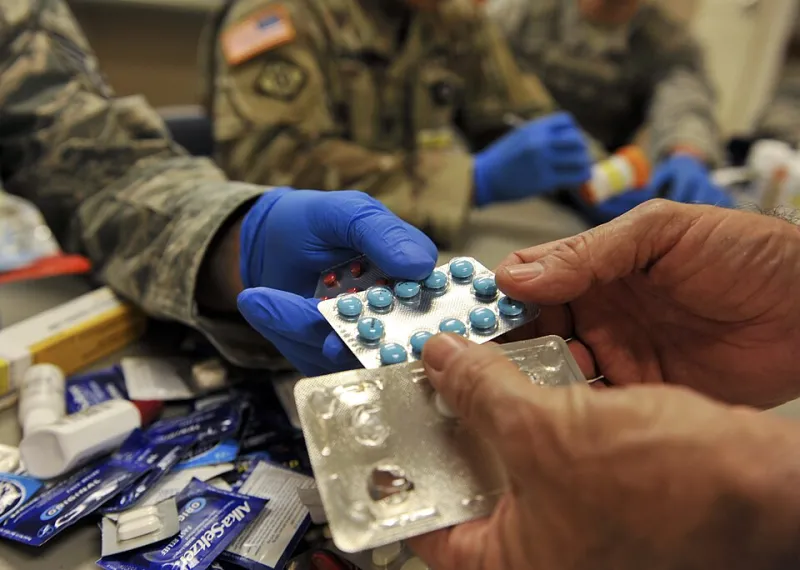
Photo: Nacho Anazawa, Public domain, via Wikimedia Commons
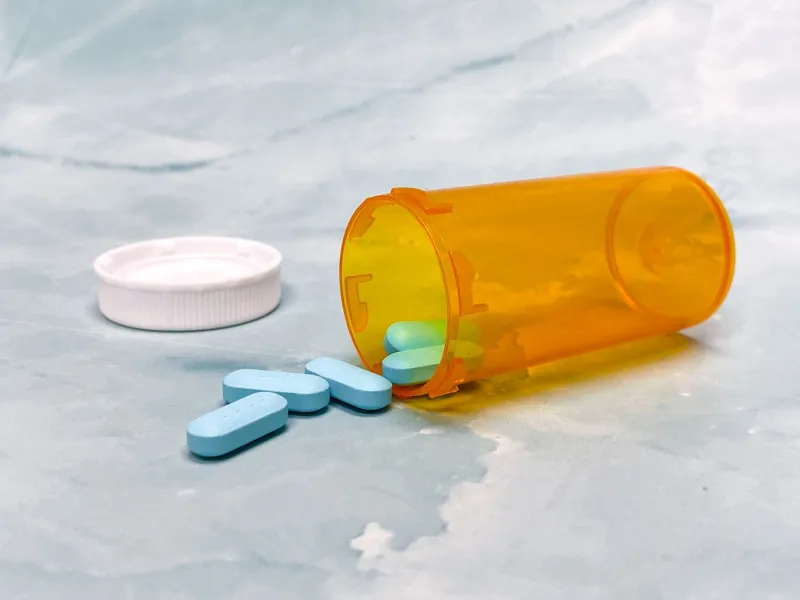
Every household pharmacy cabinet accumulates them: the antibiotic left over from a winter infection, the pain reliever prescribed after a dental procedure, the bottle of tablets that was replaced when a dose changed. The bottle is half empty, the label is faded, and the question is simple but surprisingly easy to postpone. What is the right way to get rid of it?
Two instincts dominate. The first is to toss the bottle into the kitchen trash. The second is to pour the contents down the sink or flush them. Both feel decisive. Both can be the wrong move for different reasons — one creates an opportunity for accidental ingestion or diversion, and the other can introduce pharmaceutical compounds into water systems. A third path exists, and it is more accessible than many patients realize.
Why the Half-Empty Bottle Deserves a Plan
Keeping unused medicine indefinitely is not a neutral choice. Over time, labels become unreadable, pills migrate between containers, and the original instructions disappear. A cabinet full of old prescriptions makes it harder to identify the medicine you actually need today, and it increases the chance that a child, a visitor, or a pet encounters something unintended.
The legal picture is layered. Federal rules govern how controlled substances may be transferred and destroyed, while state and local authorities set additional requirements for collection and disposal. This article is a practical overview, not legal advice, and the most reliable local guidance still comes from a pharmacist or an authorized collector.
Route One: Authorized Take-Back Sites
The safest mainstream option is a collection site registered with the Drug Enforcement Administration. These sites are commonly hosted by retail pharmacies, hospital outpatient departments, police departments, and municipal facilities. Many are available year-round, not only during special events.
The DEA has also coordinated National Prescription Drug Take Back Day events since 2010, typically held twice a year in spring and fall. These events remain useful for patients who have accumulated a large volume of medicines or who want a single date to plan around. Availability varies by community, so confirm the location, hours, and accepted materials before making the trip.
Not every site accepts every form of medicine. Some cannot accept liquids, sharps, or aerosols, and some have volume limits. A quick phone call prevents a wasted errand. Authorized sites are generally equipped to accept controlled substances, which is a significant advantage over household trash.
Route Two: Mail-Back Envelopes and Kits
For patients in rural areas or anyone who prefers not to travel, mail-back envelopes offer a regulated alternative. These are typically purchased at a pharmacy or provided through a local program, and they are designed to meet federal requirements for shipping unused medicines to a destruction facility.
Read the instructions carefully. Some envelopes have weight limits, some exclude liquids or sharp objects, and some require that medicines remain in their original packaging. Keep the tracking information until the package is confirmed as delivered. Mail-back programs are not a substitute for take-back sites in every situation, but they close a real gap for households far from a collector.
Route Three: The Federal Flush List — Narrow by Design
The U.S. Food and Drug Administration maintains a list of medicines that may be flushed when a take-back option is not readily available. The list is short and specific. It focuses on medicines that carry a high risk of harm if taken accidentally and for which the available supply of safe disposal options is limited.
That list is not a general permission slip. Most medicines are not on it, and flushing them is discouraged. Before flushing anything, verify that the specific medicine appears on the current FDA list. If it does not, choose a take-back route or, as a last resort, household trash with the precautions described below.
When Trash Is the Only Remaining Option
Sometimes no collector is reachable and no mail-back envelope is on hand. In that situation, household trash can be used for many non-controlled medicines, but the method matters.
- Keep tablets and capsules in their original packaging if possible, or remove them from the bottle and mix them with an unpalatable material such as used coffee grounds or cat litter.
- Seal the mixture in a closed bag or container so it does not leak or become visible.
- Remove or thoroughly obscure all personal information from the prescription label and any accompanying paperwork.
- Place the sealed package in the household trash. Do not place medicines in recycling bins.
This approach reduces the chance of accidental exposure and makes the medicine less appealing to anyone who might search through waste. It is not a substitute for a take-back program when controlled substances are involved.
Privacy Begins at the Label
A prescription label can reveal a patient's name, address, date of birth, prescriber, and the medicine and dose. Before any bottle leaves the house, peel off the label or cover it with an opaque marker or tape. Shredding the label is preferable where possible. Empty bottles should not go into recycling with intact labels, and some pharmacies accept empty bottles for proper handling.
Controlled Substances Need Extra Care
Opioids, benzodiazepines, stimulants, and other controlled medicines should not be placed in household trash unless there is truly no other option. They are the medicines most likely to be diverted or accidentally ingested. Authorized take-back sites and mail-back programs are designed for them, and some hospices and palliative care programs have specific protocols for unused supplies.
Never give unused controlled medicines to a friend or relative, even with good intentions. Never sell them. If a family member is receiving hospice care at home, ask the hospice team or a pharmacist about the recommended process for any remaining supply.
If There Is No Take-Back Site Nearby
Start with a pharmacist. Pharmacy teams often know which local sites are accepting medicines, whether a mail-back program is available, and whether a temporary collection event is scheduled. Local health departments and sheriff's offices are additional points of contact. In areas without a permanent collector, some communities organize periodic events, and a pharmacist can often point patients toward the next one.
Holding onto medicines indefinitely is not a solution. If a disposal route is genuinely unavailable, ask for help setting a plan rather than allowing the cabinet to keep filling.
A Ten-Minute Annual Routine
Choose a fixed date each year — a seasonal change, a spring cleaning weekend, or the same month as a birthday — and treat it as medicine cabinet maintenance. Pull every bottle out, check expiration dates, set aside anything no longer in use, and route each item through the appropriate channel. Update the list of current medicines so it reflects what is actually in the house.
A clean cabinet is not only tidier. It is a safer one. For questions about a specific medicine, a pharmacist remains the most accessible source of practical guidance.