Seven Conversations Worth Having at the Pharmacy Counter: Making the Most of Your Pharmacist's Expertise
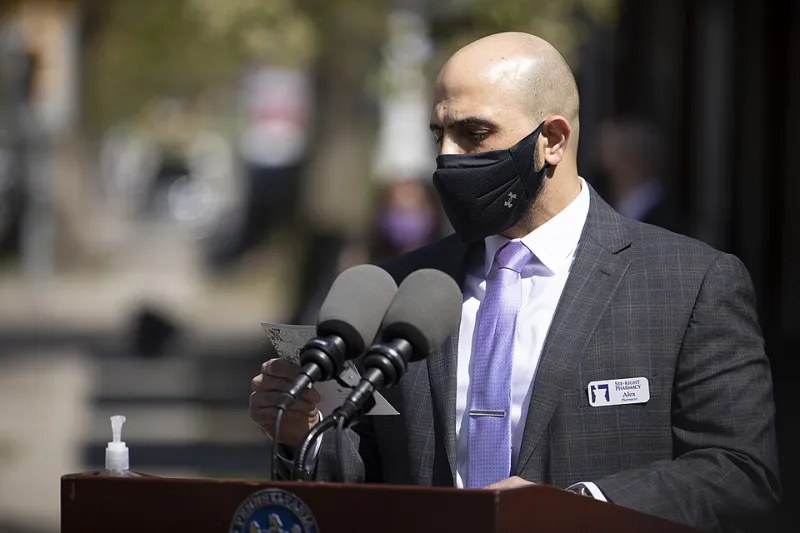
Photo: governortomwolf, CC BY 2.0, via Wikimedia Commons
In the rhythm of American healthcare, the pharmacy pickup window is often treated as a formality: a name confirmed, a signature scribbled, a bag handed over. Yet behind that counter stands one of the most accessible clinicians in the entire system — a Doctor of Pharmacy who reviewed your prescription, screened it against your other medications, and is required by most state boards to offer counseling on new prescriptions.
Unlike a physician's office, no appointment is needed. Unlike a telehealth visit, there is no co-pay. The consultation is, in practical terms, free.
"The pickup window is genuinely an underused point of care," says the pattern echoed by pharmacists across community settings nationwide. "Patients often don't realize we want to be asked."
Below are seven questions that turn a routine transaction into a meaningful check on your medication regimen.
1. "Can you walk me through how and when to take this?"
Instructions like "twice daily with food" seem self-explanatory, but ambiguity is common. Does "twice daily" mean every 12 hours, or simply morning and evening? Does "with food" mean a full meal, or a cracker will suffice? For medications with narrow therapeutic windows — such as thyroid hormones, blood thinners, or certain antibiotics — timing can determine whether the drug works as intended.
2. "Does this interact with anything else I'm taking — including supplements?"
Pharmacists run interaction screenings as a matter of course, but those screenings are only as complete as the medication list on file. Over-the-counter products, herbal supplements, and vitamins frequently go unreported. Fish oil, St. John's wort, ginkgo biloba, and even high-dose niacin can meaningfully alter how prescription drugs behave in the body.
Bring the bottles, or keep an updated list on your phone. A pharmacist can spot the combination that a quick electronic check might miss — particularly the interactions between supplements and prescriptions that patients rarely think to mention.
3. "What side effects should actually concern me?"
The sticker sheet that comes with a prescription lists every adverse event ever reported, which can be alarming and unhelpful. A pharmacist can translate that list into practical terms: which effects are common and temporary, which warrant a call to the prescriber, and which demand immediate attention. Knowing the difference prevents both unnecessary anxiety and dangerous delay.
4. "Is there a generic or therapeutic alternative that would cost me less?"
Generic substitution happens automatically in many cases, but therapeutic alternatives — different drugs in the same class that treat the same condition — often require a conversation. Pharmacists frequently know which options tend to be covered well by major insurance plans and can suggest patients ask their prescriber about them. For cash-paying patients, discount pricing structures vary widely between products, and a pharmacist can often identify the better value on the spot.
5. "Am I due for any vaccinations?"
Most community pharmacies in the United States now administer a broad range of immunizations — influenza, COVID-19, shingles, pneumococcal, tetanus boosters, and more — often with no appointment and little to no out-of-pocket cost for insured patients. Pharmacists can check your record and flag what's due, turning a routine pickup into an opportunity to stay current without a separate trip to a clinic.
6. "What should I do if I miss a dose?"
The answer varies enormously by medication. For some drugs, a missed dose simply means taking it when remembered; for others, it means skipping entirely and resuming the schedule. Guessing wrong can lead to dangerous double-dosing. Getting a clear answer before the situation arises is one of the simplest safety measures available.
7. "Can you help me set this up so I don't get confused?"
For patients managing multiple medications — particularly older adults or caregivers — pharmacists can suggest adherence aids, synchronization programs that align refill dates, and simplified schedules. Many pharmacies offer blister packaging or med-sync services at no charge. Asking is often all it takes.
A Checklist Worth Saving
Before your next pickup, consider printing or saving these questions:
- How and when should I take this, and with or without food?
- Does it interact with my other medications or supplements?
- Which side effects are normal, and which are warning signs?
- Is there a lower-cost generic or alternative?
- Am I due for any vaccines?
- What do I do if I miss a dose?
- Can you help me organize my refills or packaging?
The Resource You're Already Paying For
Every prescription filled in the United States includes, embedded in its cost, the professional oversight of a licensed pharmacist. That oversight only becomes valuable when patients engage with it. The next time a name is called at the pickup window, treat it as what it is: a scheduled appointment with a medication expert who has already read your chart — and who is waiting for your questions.