The Blank Space on the Label: Turning 'As Directed' Into a Dose You Can Follow
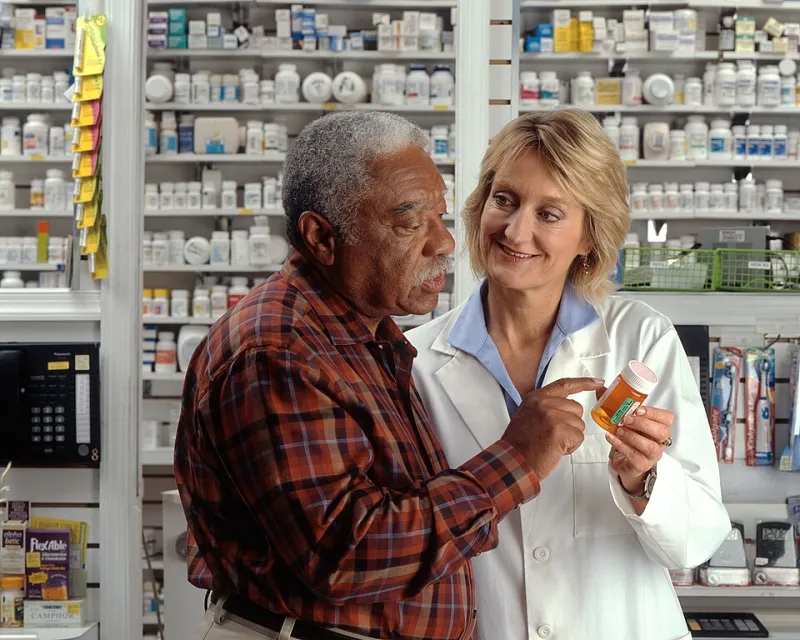
Photo: Rhoda Baer (Photographer), Public domain, via Wikimedia Commons
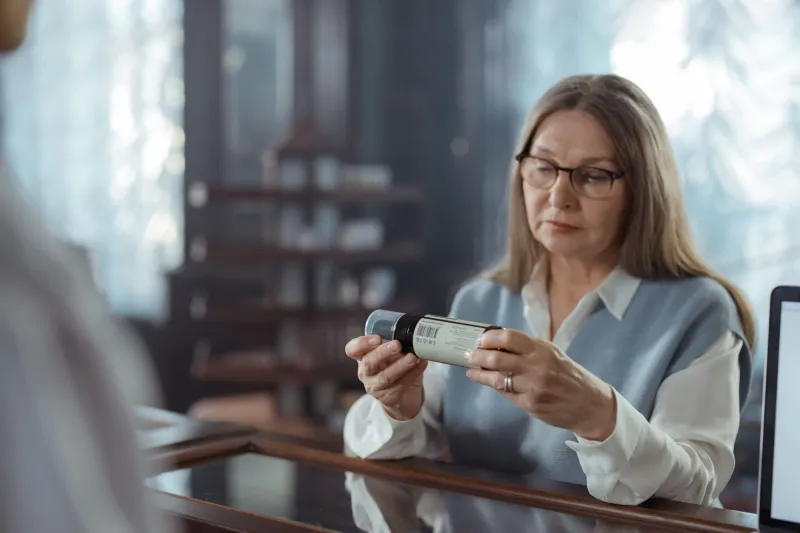
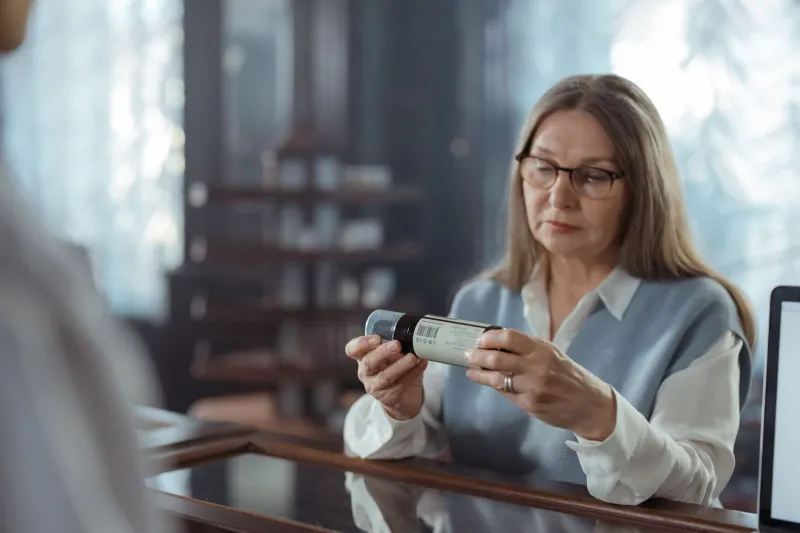
At the pharmacy counter, a label can look complete and still leave the most important part undecided. The medication name is there. The quantity is there. The refill count is there. But where the directions should be, the label may say only: take as directed. For a patient opening the bag at home, that phrase is not an instruction. It is a request to remember, infer, or call back. At Pharmacy Optum, we treat clear directions as part of prescription fulfillment, not an optional extra.
Why a vague label survives the fill
Prescription directions are usually entered by the prescriber, transmitted electronically, and verified by the pharmacist. In 2026, most of that chain is digital, but the directions field still depends on what was entered. Busy clinics may use defaults, shorthand, or a phrase carried forward from an earlier visit. Some labels are constrained by space. A pharmacist may recognize that take as directed is too vague, but the original instruction may be on a discharge summary, an office note, or a prior label that the patient does not have. The result is a label that looks official but functions like a placeholder.
That does not mean every vague label hides an error. Sometimes the prescriber and patient have already discussed a detailed plan, and the label is a summary. The problem is that the label travels home with the patient, while the conversation may not. A caregiver, a spouse, or a covering clinician may see only the bottle. A clear label protects everyone who might need to act on it.
Where the guesswork becomes a safety problem
Take as directed can fail in several ordinary ways. A patient may take one tablet when two were intended, or two when one was intended. Someone may take a medicine at bedtime because that is when they usually take pills, even though the prescriber wanted morning dosing. A patient may take a dose with food when the label should have said on an empty stomach, or skip a dose because the label did not explain what to do after a missed dose. For medicines with a narrow margin between helpful and harmful, such as warfarin, insulin, thyroid replacement, or seizure medicines, a small guess can matter. For a taper, such as prednisone, the schedule may change from day to day, and as directed gives no calendar.
The phrase also creates avoidable phone calls. A patient calls the pharmacy because the bottle does not answer the question. The pharmacy calls the prescriber because the original directions are unclear. Everyone spends time on a detail that could have been written down at the start. That is not a failure of any one person. It is a workflow gap that patients can help close by asking for specifics.
What a complete direction should answer
A usable prescription direction does not need to be long. It needs to answer the questions a patient will face at home. Those questions usually include:
- How much is one dose?
- By what route, and with what device if one is needed?
- How often, and at what time or times?
- Should it be taken with food, without food, or regardless of food?
- What is the maximum amount in 24 hours if the medicine is taken as needed?
- What should be done if a dose is missed?
- How long should it continue, and is a taper required?
- What should the patient do if the label and the doctor's instructions disagree?
Not every label can hold every answer. A medication guide, an after-visit summary, or a pharmacist's written note can carry the rest. The key is that the patient leaves with a source that is clear, current, and tied to the prescriber's plan.
A practical script for the counter
Patients do not need to challenge the pharmacy staff. A simple request is enough. At the counter, try: The label says take as directed. Before I leave, can you help me write down the specifics? How much should I take, how often, and at what time? Should I take it with food? What should I do if I miss a dose? Is there a maximum in a day? And if this label does not match what my doctor told me, who should I call?
If the pharmacist cannot answer from the prescription record, ask for a clarification to be sent to the prescriber. A pharmacist can contact the office and document the response. Ask when you should expect an answer, and do not leave without a plan for the first dose if it is due soon. For a new medicine, it is reasonable to ask the pharmacist to mark the bottle with the agreed timing in plain language, if your pharmacy's labeling system allows it. Do not write over a label in a way that obscures the original directions.
When the label and the doctor disagree
This is the moment to stop and clarify. Do not split the difference, double up, or choose the instruction that seems more convenient. Bring both sets of directions to the pharmacy, or call the prescriber's office and read the label aloud. The pharmacist can compare the prescription record with what the patient was told and contact the prescriber when needed. If the office is closed and the medicine is not urgent, wait for clarification. If the medicine is urgent and you cannot reach anyone, call the pharmacy's after-hours line or the prescriber's on-call service. If symptoms are severe, seek emergency care rather than adjusting the dose on your own.
What Pharmacy Optum adds at fill
Clear directions are a medication safety issue, not a clerical one. At Pharmacy Optum, the fill process should flag vague instructions before the bag leaves the counter. That means reviewing the directions field, asking the patient what they understand, and contacting the prescriber when the record is incomplete. It also means giving patients permission to ask again. A label is a communication tool. When it says as directed, the safest response is not a guess. It is a short, specific conversation that ends with written directions both the patient and the pharmacist can see.