Paying Cash at the Pharmacy Could Cost You Less: Inside the Return of Discount Generic Programs
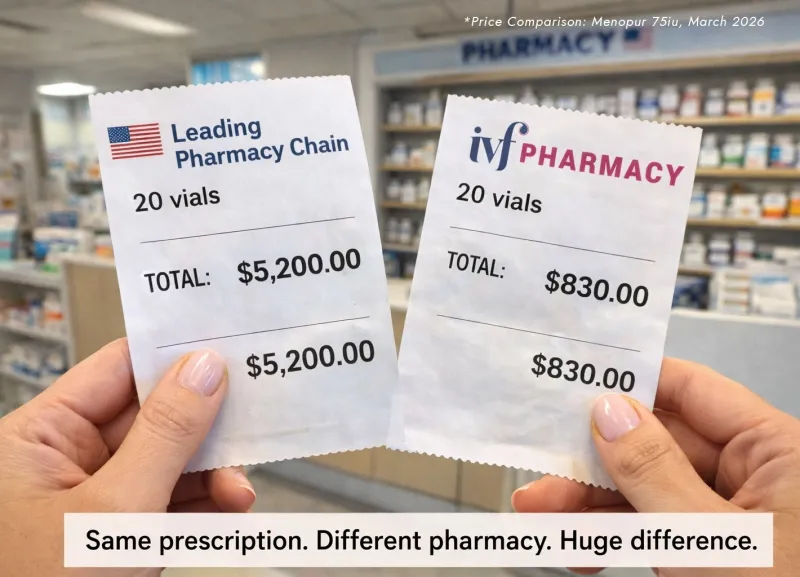
Photo: pharmacy prescription price comparison receipt cash, via www.ivfpharmacy.com
For years, the most powerful question a patient could ask at the pharmacy counter was deceptively simple: How much is this without insurance? Now, with low-cost generic programs expanding across major chains and discount card services, that question has never been more consequential.
The revival of the classic "$4 generic list" — once a marketing staple of big-box pharmacies — signals a shift in how Americans are expected to pay for maintenance medications. For patients willing to do a little homework, the savings can be substantial.
Why Discount Lists Are Making a Comeback
Several forces converged to bring these programs back into the mainstream. High-deductible health plans leave many Americans paying full price for prescriptions anyway, effectively functioning as cash customers with extra paperwork. Meanwhile, discount card services have grown into national intermediaries, negotiating prices that sometimes undercut what insurers have agreed to pay.
Pharmacies, for their part, have discovered that a low-cost generic list is a proven traffic driver. A patient who fills a $10 blood pressure prescription monthly is likely to consolidate other prescriptions — and purchases — at the same location.
When Cash Beats the Copay
The counterintuitive truth of modern pharmacy pricing is that your copay is not always the floor. Consider these common scenarios:
- Low-tier generics. A 90-day supply of metformin or lisinopril may cost $10 or less through a discount program — potentially less than a single copay under some plans.
- Deductible gaps. Early in the plan year, patients on high-deductible plans often pay negotiated cash prices well below their plan's allowed cost.
- Non-formulary drugs. If your plan places a medication on a higher tier, a discount card may price it lower than your plan would.
The strategy some pharmacists call "stacking" is legal and increasingly common: running the prescription through insurance first, then comparing against a discount program price, and choosing the cheaper route. Note that federal law prohibits Medicare beneficiaries from applying manufacturer discounts to Part D claims, so seniors should compare cash and plan prices rather than attempt to combine them.
What the Fine Print Hides
Discount programs are not interchangeable, and the exclusions matter as much as the headline prices.
Formulary limits. Most lists cover only a few dozen medications at the advertised price. Brand-name drugs, controlled substances, and newer generics are frequently excluded.
Quantity caps. A $4 price often applies to a 30-day supply at a standard dose. Extended supplies or higher strengths may price differently.
Geography and membership. Some programs require enrollment, a membership fee, or participation only at specific locations.
No accumulator credit. Amounts paid through discount cards generally do not count toward your deductible or out-of-pocket maximum — a real drawback for patients who expect to hit those thresholds later in the year.
A Practical Comparison Method
Before your next refill, gather three numbers: your insurance copay, the pharmacy's cash price, and the price through a reputable discount card or in-store generic program. Most chain websites and discount services publish price lookups by drug and ZIP code, so this takes minutes.
A few ground rules keep the comparison honest:
- Compare identical quantities and day supplies.
- Ask the pharmacist to run both prices — pricing tools at the counter are more accurate than online estimates.
- Recheck annually. Formularies change, and last year's bargain may no longer be the best route.
The Bottom Line
Discount generic programs have reintroduced genuine price competition into a corner of healthcare that rarely sees it. They will not replace insurance for expensive specialty medications, but for common maintenance drugs — statins, antihypertensives, diabetes generics — they offer a legitimate path to lower costs. The patients who benefit most are the ones who ask, every time: what does this cost both ways?