When One Pill Becomes Twelve: Building a Routine Around a Complex Medication Regimen
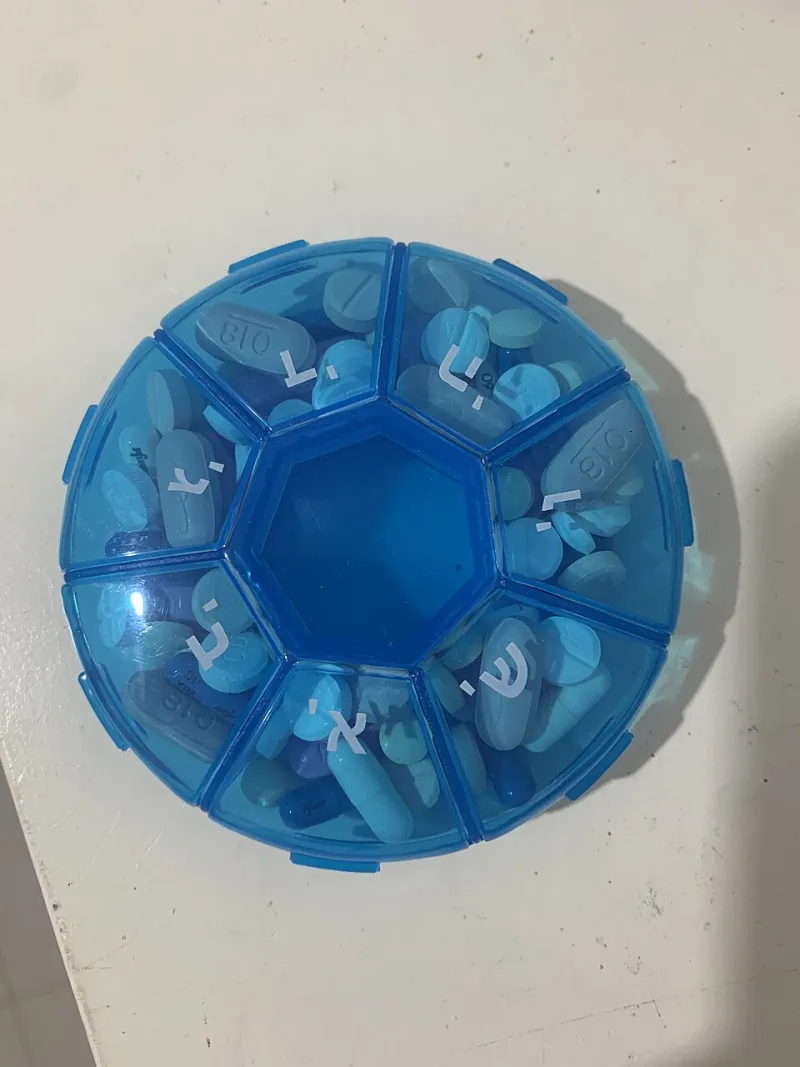
Photo: יוחי טייס, CC BY-SA 4.0, via Wikimedia Commons
There is a moment familiar to millions of Americans managing chronic conditions: standing at the kitchen counter, pill bottles lined up, trying to remember whether the levothyroxine was supposed to come before breakfast, and whether that matters with the calcium supplement sitting next to it. It does. And that single interaction — thyroid medication taken too close to calcium — is enough to quietly undermine a treatment plan.
For patients taking five, ten, or more medications, adherence is not a willpower problem. It is a systems problem. Fortunately, the tools for solving it have never been better.
1. Medication Synchronization Programs
Ask your pharmacy about "med sync," one of the most underused services in American pharmacy. Instead of refilling each prescription on its own unpredictable date, the pharmacy aligns every maintenance medication to a single monthly pickup or delivery. One phone call, one trip, one refill cycle to track.
Sync programs do more than save errands. Because the pharmacist reviews the full regimen at each sync appointment, mismatches — a discontinued drug still in rotation, a new interaction — surface earlier.
2. Blister Packaging and Dose-Packaging Services
For regimens with multiple medications at multiple times of day, adherence packaging removes the sorting burden entirely. Many pharmacies and mail services will prepare sealed blister cards organized by date and dose time: morning, noon, evening, bedtime.
The safety advantage is visual. A glance at the card shows whether a dose was taken. For caregivers managing medications for aging parents, packaging provides a verifiable record that reduces both double-dosing and missed doses. Note that refrigerated medications and some liquids must be handled separately, so packaging works best as part of a broader system rather than the whole system.
3. Weekly Pill Organizers — Used Correctly
The humble seven-day organizer remains the workhorse of medication management, but two upgrades are worth the money. First, choose a model with AM/PM (or four-times-daily) compartments rather than a single daily slot. Second, establish a fixed filling ritual — Sunday evening, for example, with the pharmacist's printed medication list in hand.
One caution: certain medications should stay in their original containers. Light- and moisture-sensitive drugs, and any medication where you need to verify the pill's identity, are better left in pharmacy packaging.
4. Reminder Apps With Interaction Awareness
Smartphone apps have matured well beyond alarms. The better adherence apps now log doses, flag when a refill is due, and allow caregivers to receive notifications when a dose is missed. Some integrate with pharmacy refill systems directly.
For patients who take medications relative to meals — diabetes drugs, thyroid hormones, certain antibiotics — configure reminders with labels rather than bare times. "Levothyroxine: 30–60 minutes before breakfast" is a far more useful alert than "8:00 AM."
5. A One-Page Medication Map
The simplest tool costs nothing. Ask your pharmacist to help you draft a single-page schedule listing every medication, its purpose, its timing relative to food, and its storage requirements. Post it where the pills live.
This map earns its keep at every transition of care: new specialists, hospital discharges, and annual wellness visits all go faster and safer when the current regimen is on paper.
Start With a Conversation
Every tool above works better when it is built around an accurate, current medication list — and that starts with your pharmacist. If your regimen has grown faster than your system for managing it, bring every bottle, supplement included, to your pharmacy counter and ask for a comprehensive review. Complex regimens can be managed safely. But they are managed, not memorized.