Flat-Fee Generics Are Fading Again — Here's How to Know What Your Pharmacy Actually Charges

Photo by Photo by DoorDash on Unsplash on Unsplash
In 2006, Walmart's $4 generic program did something almost unheard of in American healthcare: it posted a price and meant it. For a flat fee per prescription — later matched by Target, Kroger, and eventually most major chains — patients could walk in with a prescription for metformin, lisinopril, or amoxicillin and pay less than the cost of a sandwich.
Two decades later, that era is quietly winding down. Lists that once ran to hundreds of medications have been pared back. Some pharmacies have raised the flat fee to $5, $10, or more. Others have discontinued their programs entirely, leaving patients to discover the change only when the cashier quotes a price they didn't expect.
Why the Bargain Lists Are Shrinking
Flat-fee programs were always a form of marketing as much as a pricing strategy. Pharmacies absorbed thin — sometimes negative — margins on listed drugs to bring foot traffic into stores, betting patients would fill the rest of their prescriptions and pick up household goods while they waited.
The economics have shifted. Reimbursement rates from insurers and pharmacy benefit managers have compressed pharmacy margins across the board, and store closures and consolidation have changed the calculus of what a loyal customer is worth. Maintaining a generous discount list is a harder business case than it was in 2006.
The result is attrition that rarely makes headlines. A drug gets dropped from the list; the fee rises a dollar at a time; the program's webpage lingers online long after the terms have changed.
What This Means for Your Wallet
The practical consequence is that assumptions formed years ago may no longer hold. A patient who has paid $4 for a generic blood pressure medication for a decade can reasonably assume that price is permanent. It frequently is not.
Worse, these programs exist entirely outside insurance. If your pharmacy no longer honors a flat-fee price, your prescription may default to your insurance copay — which, for some generics, is higher than the old cash price ever was.
How to Verify the Real Price
Pharmacists recommend a short verification routine before you assume anything about cost:
- Ask directly, and specifically. Rather than "how much is this?" ask "what is the cash price without insurance, and do you have a discount program that applies?" The two questions can produce two very different answers.
- Compare the cash price against your copay. For many generics, paying out of pocket is genuinely cheaper. Federal rules once discouraged pharmacies from telling patients this; those "gag clauses" were banned in most states and federally in 2018, so your pharmacist is generally free to discuss it.
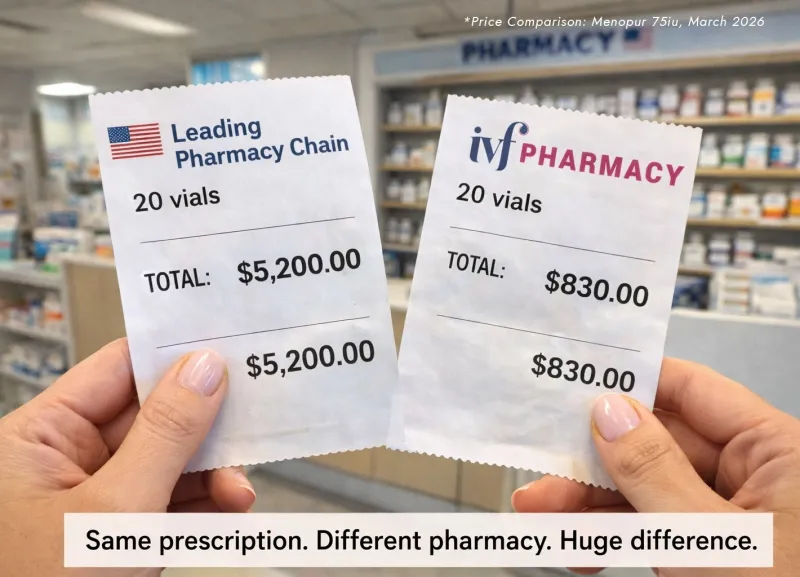
- Check discount cards and cash-price tools. Third-party discount programs and price-comparison websites can reveal prices at nearby pharmacies that differ by tens of dollars for the identical medication.
- Ask about a 90-day supply. Flat-fee programs and cash pricing often reward larger quantities, sometimes cutting the per-day cost dramatically for maintenance medications.
The Bottom Line
Discount generic programs were a genuine gift to American patients, and many still function exactly as advertised. But in a landscape where the terms change without notice, the reliable move is verification. Ask the question, compare the numbers, and treat the $4 list not as a guarantee but as a starting point for a conversation at the counter.