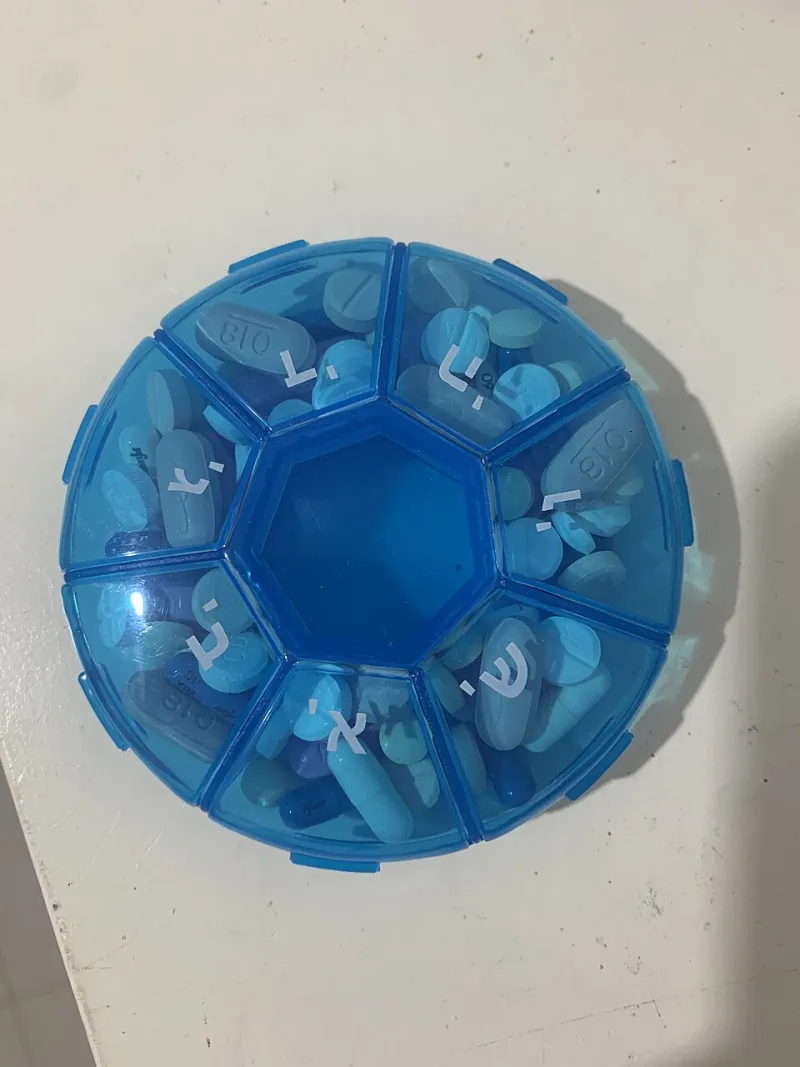
The Missed Refill Problem: Five Ways to Keep Critical Medications From Running Out
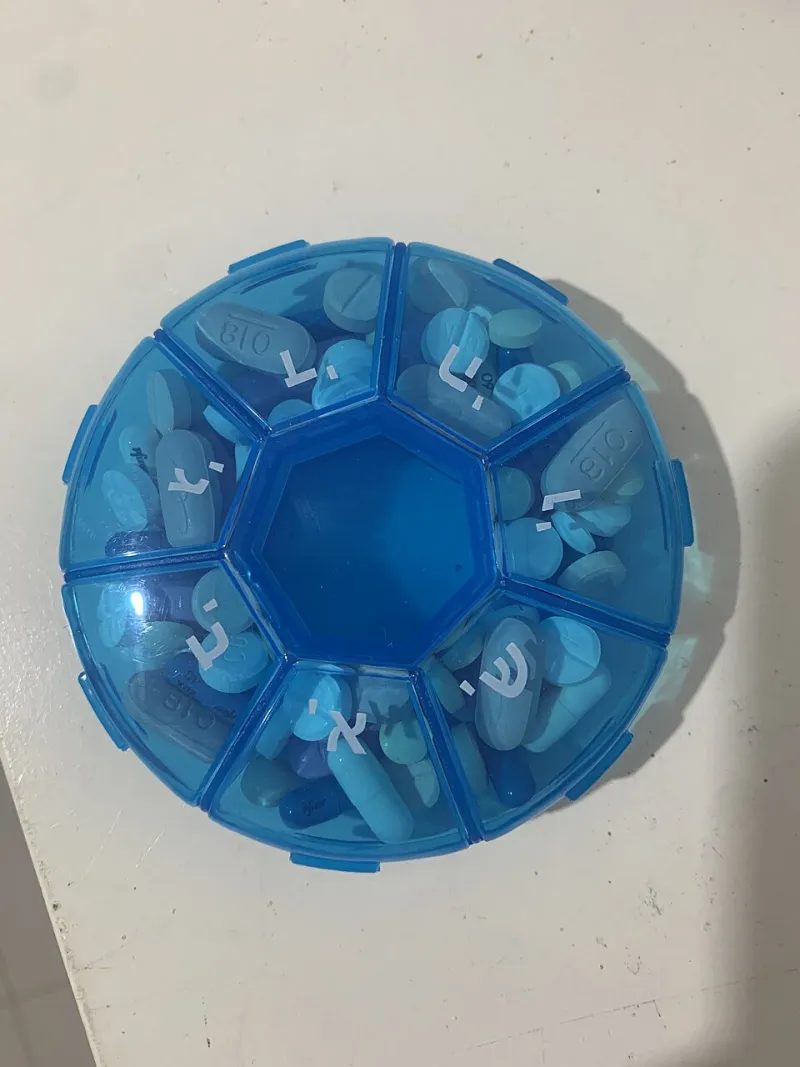
Photo: יוחי טייס, CC BY-SA 4.0, via Wikimedia Commons
Missing a dose is an accident. Missing a refill is a system failure — and it happens to a remarkable number of people. Studies of adherence among patients with chronic conditions such as diabetes, hypertension, and heart disease consistently find that a large share run out of medication before their next prescription is filled, sometimes for days at a time.
The stakes are not trivial. Stopping a beta-blocker or an antidepressant abruptly can trigger rebound symptoms. A gap in an anticoagulant raises clot risk. For many conditions, the danger isn't a single missed tablet; it's the silent week between the empty bottle and the pharmacy pickup.
Why do refill systems fail so often? Because most are built for a life the patient doesn't lead. A smartphone reminder is useless if the phone lives in another room. Auto-refill fails when the prescription requires a call to the doctor and nobody makes it. The solution isn't more discipline — it's a better-fitting system. Here are five.
1. The Paper Binder Method
Low-tech and nearly indestructible, this system uses a small three-ring binder with one page per medication: drug name, prescriber, pharmacy phone number, refill date, and remaining refills. Each time you fill a prescription, you write the date. When the count of remaining refills hits zero, the page tells you to call the doctor's office that week.
It works well for patients managing multiple medications, caregivers coordinating someone else's care, and anyone who distrusts digital tools. Its weakness is that it depends on you opening the binder.
2. Pharmacy Synchronization (Med Sync)
Medication synchronization aligns all of your recurring prescriptions so they refill on the same day each month, usually with a scheduled pharmacist check-in beforehand. Instead of four separate refill dates, you have one pickup — and a built-in appointment where a pharmacist reviews everything.
Most chain and independent pharmacies offer med sync at no cost. It is one of the most effective systems for patients on five or more medications, and it converts the pharmacy from a place you visit reactively into a scheduled checkpoint.
3. Auto-Refill With a Verification Habit
Auto-refill programs prompt the pharmacy to prepare your prescription before you run out. They fail in a predictable way: when refills run out and a prescriber's authorization is needed, the auto-refill stops silently. The fix is pairing auto-refill with a monthly calendar check — one recurring reminder to confirm that everything actually processed.
4. The 90-Day Supply Strategy
Moving maintenance medications from 30-day to 90-day fills cuts refill events by two-thirds and creates a buffer. A patient who forgets for three days with a 30-day supply has a gap; with a 90-day supply, the same lapse is invisible. Most insurers cover 90-day fills for chronic medications, often at a lower copay per unit, through retail or mail-order pharmacies.
5. The Two-Bottle Rotation
For a single critical medication, keep two labeled bottles: one in active use, one full as a reserve. When the active bottle empties, refill it immediately from the reserve and refill the reserve. This creates a built-in grace period and is particularly valuable for medications where even a short gap carries real risk.
Choosing Your System
Pick based on your actual failure mode. If you forget dates, med sync removes dates entirely. If you forget to call the doctor, the binder makes it visible. If travel or unpredictable schedules derail pickups, 90-day supplies reduce the number of chances to fail. Many patients combine two systems — sync plus a 90-day supply is a common and effective pairing.
Whichever you choose, review it at your next pharmacy visit. Your pharmacist can enroll you in synchronization, flag prescriptions with no refills remaining, and identify which of your medications can safely move to a longer supply. Running out shouldn't be the reminder.