The Other Ingredients: Why Two Identical Pills Can Feel Very Different

Most patients read a prescription label the way they read a nutrition panel: straight to the headline. The active ingredient, the strength, the directions. Everything else gets filed under fine print. But that fine print — the list pharmacists call 'other ingredients' — is where some of the most common medication reactions actually live.
Federal law requires every drug label to disclose these components, and for good reason. A tablet is rarely just medicine. It is an engineered object, held together by binders, coated for easier swallowing, colored for identification, and preserved for shelf stability. Each of those jobs is performed by a compound that is therapeutically inactive but not necessarily harmless.
What Inactive Ingredients Actually Do
Consider a common generic tablet. The active ingredient might account for a fraction of the pill's weight. The remainder is a supporting cast:
- Fillers and binders such as lactose, microcrystalline cellulose, or starch give the tablet its bulk and hold it together under pressure.
- Disintegrants help the pill break apart in your digestive tract so the drug can be absorbed.
- Coatings and lubricants — including magnesium stearate, titanium dioxide, or waxes — keep tablets from sticking to manufacturing equipment and make them easier to swallow.
- Dyes and colorants distinguish one tablet from another, a genuine safety feature in households with multiple prescriptions.
- Preservatives and stabilizers protect the formulation from moisture, light, and microbial growth, particularly in liquid medications.
None of these ingredients are chosen casually. Every one of them appears on an FDA-accepted list of generally recognized as safe compounds, in amounts the agency has reviewed. But 'generally recognized as safe' is not the same as 'safe for every person in every formulation.'
When the Inactive List Matters
For the majority of patients, inactive ingredients are exactly what the name implies: inert. For a smaller group, they are anything but.
The clearest example is allergy. Patients with celiac disease or genuine gluten sensitivity may need to avoid wheat-derived starches. Those with lactose intolerance can react to lactose fillers at higher doses than dietary exposure would suggest. Peanut oil, gelatin, and certain dyes — tartrazine (FD&C Yellow No. 5) among the best documented — have all triggered reactions in sensitive individuals. Patients with dye sensitivities sometimes notice hives or gastrointestinal upset from one manufacturer's tablet and not another's.
There is a second, less well-understood category: patients who report feeling different on different versions of the same generic drug. This is a subject of ongoing research and professional debate. The active ingredient is identical and meets bioequivalence standards, but the full formulation — the excipients, the release characteristics, the manufacturing process — differs. Regulators maintain that approved generics are therapeutically interchangeable, and for most patients they are. Still, the FDA has tightened excipient disclosure requirements in recent years, in part because clinicians have long observed that a subset of patients reports real differences when their pharmacy switches manufacturers.
Why Your Generic Might Change Without Notice
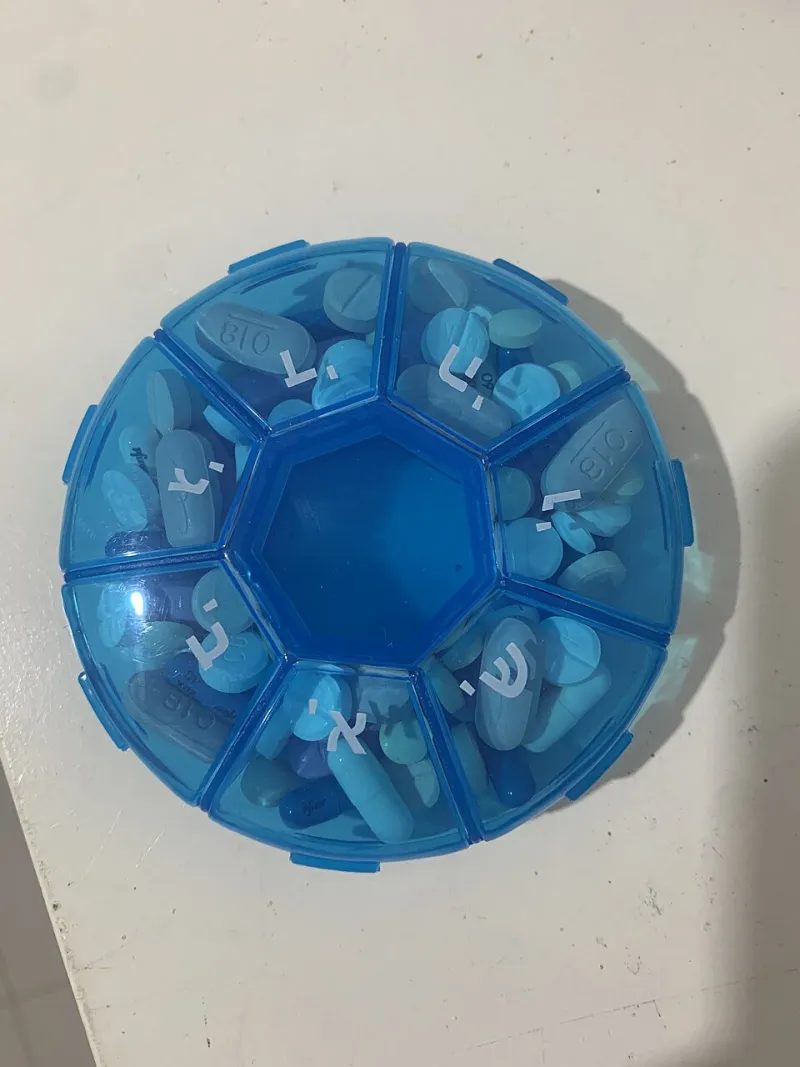
Here is the part that surprises most patients: your pharmacy may dispense a different manufacturer's version of your generic from one refill to the next. Generic purchasing is driven by wholesale availability and cost, and supply contracts shift. If your tablets suddenly look different — a new shape, color, or imprint — the active ingredient has not changed, but the full formulation may have.
For patients on narrow-therapeutic-index medications such as levothyroxine, warfarin, or certain seizure drugs, consistency matters. Many clinicians recommend staying with a single manufacturer when possible, precisely to minimize variability in how the drug is absorbed.
Questions Worth Asking at the Counter
Pharmacists see formulation differences that patients cannot, and they have tools to help. A few questions that go a long way:
- "Who is the manufacturer of this fill, and has it changed since my last refill?" The NDC code on your label identifies the specific maker.
- "Does this formulation contain gluten, lactose, dyes, or any allergens I've told you about?" Pharmacists can check the full inactive ingredient list — information not always printed on the consumer label.
- "Can you request a specific manufacturer for my refills?" Many pharmacies can note a brand preference, particularly for drugs where consistency is clinically important.
- "Is there an alternative formulation — a different tablet, capsule, or liquid — that avoids the ingredient I'm reacting to?" Sometimes the simplest solution is a different dosage form from the same or a different manufacturer.
If you suspect you have reacted to an inactive ingredient, document what you experienced, which manufacturer you received, and when symptoms began. Bring that information to your prescriber and pharmacist. Suspected reactions to excipients can and should be reported through the FDA's MedWatch program, which helps regulators identify patterns across formulations.
The Bottom Line
Inactive ingredients earn their name by design, not by guarantee. They are essential to how medications are made, stored, and taken — and in rare cases, they are the reason a well-tolerated drug suddenly does not feel well tolerated at all. Reading the full label, knowing your sensitivities, and keeping an open line to your pharmacist are the most reliable safeguards available.
At Pharmacy Optum, our pharmacists routinely review formulation details with patients who have allergies, intolerances, or concerns about manufacturer switches. If something about your medication has changed — or something about how you feel has — ask us. The fine print is our job.