From Florida to Fargo: Keeping Your Medications on Track When Life Takes You Elsewhere

For millions of Americans, the pharmacy is a fixed point in an otherwise mobile life. Snowbirds settle into Arizona condos each January, families relocate for new jobs, and retirees divide the year between two states. Yet prescriptions are often the last thing anyone plans for — and the first thing that becomes a problem when the routine breaks.
The good news is that the US pharmacy system is built for mobility. With a little advance planning, most patients can fill their medications in any of the fifty states without gaps in therapy.
Why Consistency Matters More Than Convenience
Before diving into logistics, it helps to understand the stakes. Many common medications — blood pressure drugs, anticoagulants, thyroid hormones, antidepressants, and seizure medications — require steady levels in the bloodstream. Skipping even a few days can trigger withdrawal effects, rebound symptoms, or dangerous physiological shifts. Beta-blockers, for instance, can cause heart rate spikes when stopped abruptly, and certain psychiatric medications are notorious for discontinuation effects within 48 hours.
That makes refill planning a health matter, not merely an errand.
Understanding Prescription Transfers Across State Lines
A prescription written by a licensed provider in one state is generally valid at a pharmacy in another. Pharmacies in all states honor out-of-state prescriptions for non-controlled medications, and most handle controlled substances the same way, though state boards impose additional scrutiny on Schedule II drugs in particular.
For routine transfers between pharmacies, the process is straightforward:
- Call the destination pharmacy with the medication name, your prescriber's information, and the original pharmacy's phone number.
- The receiving pharmacy initiates the transfer. Under federal and state rules, pharmacies handle the exchange of prescription records directly — patients typically don't need to do anything beyond providing consent.
- Allow one business day. Transfers are usually completed within hours, but busy counters and verification calls can add delay.
One caveat: a single prescription can generally only be transferred once for refills under federal law (state rules vary for controlled substances), so frequent back-and-forth transfers can complicate refill counts. Patients who split time between two locations should discuss long-term options with their pharmacist.
The 90-Day Supply: A Traveler's Best Friend
Many insurance plans — including most Medicare Part D plans — permit extended-day supplies of 90 days for maintenance medications, either through retail pharmacies or mail-order programs. Before an extended trip, ask your prescriber to write for the maximum allowed supply and check whether your plan covers it at retail or requires mail order.
A few practical tips:
- Request refills early. Most plans allow refills once 75–80% of the supply has been used. Filling a week ahead of departure provides a buffer against delays.
- Carry medications in original, labeled containers. This matters for TSA screening, customs questions, and — if a dose is missed — knowing exactly what you took.
- Keep a written medication list in your wallet or phone, including dosages and your prescriber's contact information.
- Never pack all medications in checked luggage. Keep them in a carry-on bag.
Chain Networks vs. Independent Pharmacies
Patients who travel frequently often gravitate toward national chains precisely because records follow them. Fill a prescription in Ohio, and the system can process a refill in Nevada within minutes.
That convenience is real, but it isn't the only path. Independent pharmacies can often coordinate directly with a chain or another independent near your destination, and mail-order delivery to a temporary address solves the problem entirely for longer stays. Some patients maintain two home pharmacies — one in each location — and ask their prescriber to send prescriptions to both.
The right choice depends on your pattern. A two-week vacation favors a travel supply; a four-month seasonal stay justifies a full transfer or a second pharmacy relationship.
When You Realize the Medication Is Still at Home
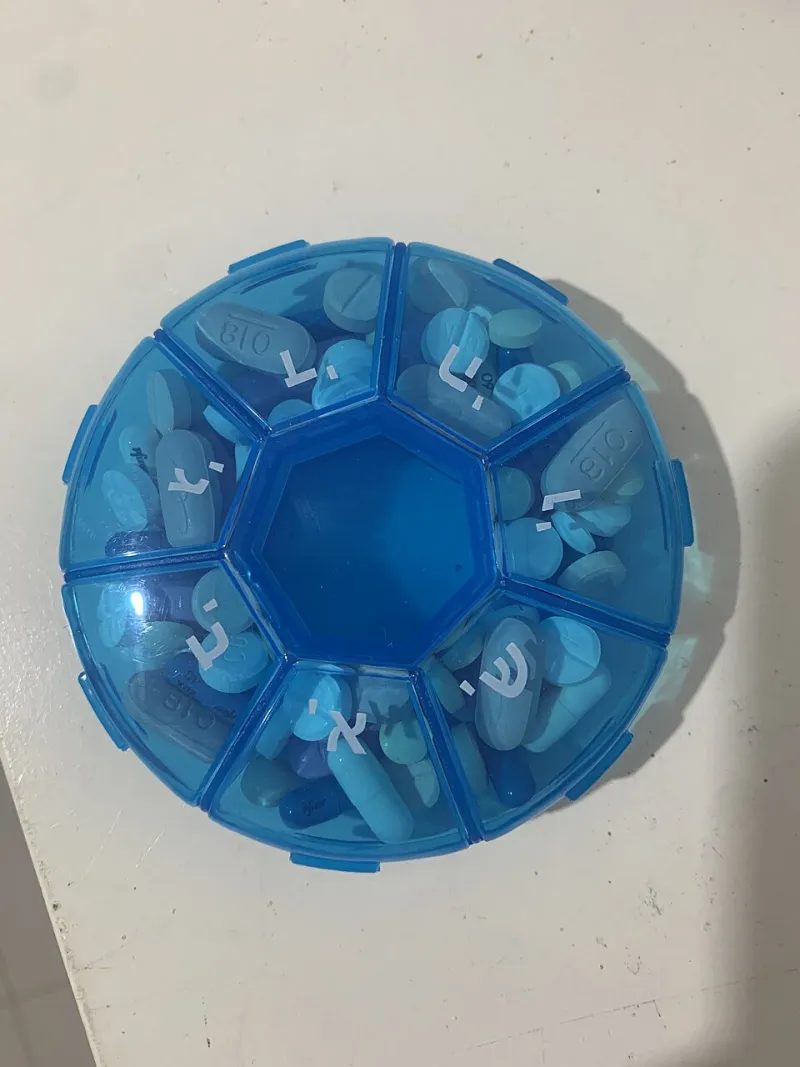
It happens more often than anyone admits. A traveler unpacks in a hotel room and finds the pill organizer missing. Here is the sequence that resolves it fastest:
- Contact the original pharmacy. Staff can confirm remaining refills, the fill history, and the prescriber's details — information the new pharmacy will need.
- Visit any pharmacy near your location. An emergency fill or a transfer can usually be completed the same day for most maintenance drugs.
- Call your prescriber's office if refills are exhausted. Many practices will send an electronic prescription to the out-of-state pharmacy, particularly for established patients.
- Bring ID and insurance information. A photo ID smooths the process, especially for controlled substances, which may face fill limits when prescribed out of state.
If you're ever unsure where to start, a pharmacist at the nearest counter can walk you through it. Interfacing with an unfamiliar pharmacy is a routine situation for them, even when it feels like a crisis for you.
A Pre-Departure Checklist
Before any extended time away from your home pharmacy, confirm these five items:
- Refills remaining on every prescription
- Whether your plan allows a 90-day fill at retail
- The name and phone number of your home pharmacy
- Your prescriber's contact information
- Whether any of your medications require refrigeration or special handling in transit
Mobility is a feature of American life, not an obstacle to good health. With a phone call or two ahead of departure, your prescriptions can travel as freely as you do.