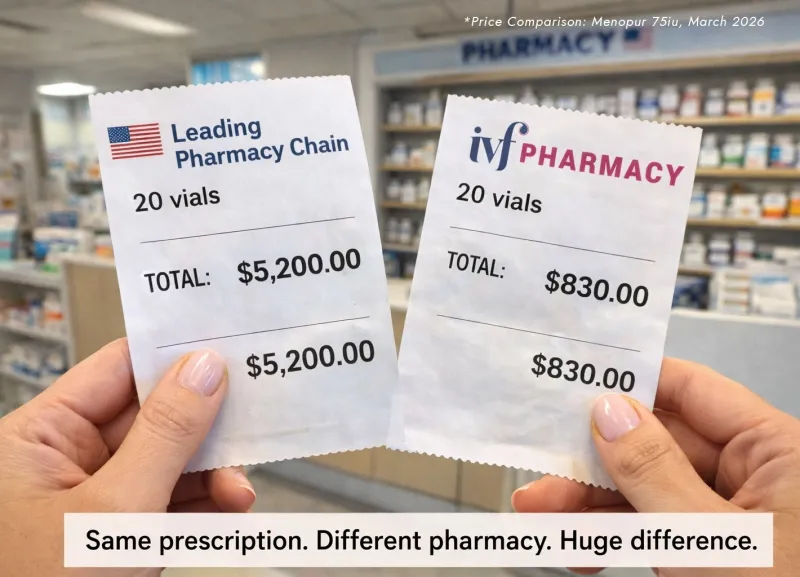
Same Drug, Different Price: Decoding the Counter Quote That Changes Month to Month

Ask any pharmacist what surprises patients most at the register, and the answer is rarely a side effect or an interaction warning. It's the price. A maintenance medication that cost $10 last month suddenly rings up at $95 — or, just as baffling, a drug you budgeted $80 for comes out to nothing at all.
These swings aren't random, and they aren't always permanent. Understanding the machinery behind the counter quote is the first step toward paying less.
The Invisible Middleman: How Your Price Is Actually Set
When you hand over an insurance card at the pharmacy, you're not really paying the pharmacy's price for the drug. You're paying whatever your pharmacy benefit manager (PBM) — the company administering drug benefits on behalf of your insurer — has negotiated. The PBM maintains a formulary, a tiered list of covered drugs that determines your cost:
- Tier 1: Generics, typically the lowest copays
- Tier 2: Preferred brand-name drugs
- Tier 3: Non-preferred brands, with higher cost-sharing
- Specialty tiers: Expensive biologics and specialty therapies, often with percentage-based coinsurance
Here's the catch: formularies are revised regularly. A drug can move tiers mid-year, a preferred generic can be dropped in favor of a cheaper alternative, and coinsurance percentages can shift with plan updates. If your copay jumped without any change on your end, a formulary revision is a likely culprit — and a call to the member services number on your insurance card can confirm it.
The $4 Lists and Their Quiet Disappearance
Discount generic programs — the famous $4 lists popularized by national retailers — remain one of the best deals in American healthcare. For a flat fee, patients can fill many common generics for cash, often cheaper than using insurance.
But these lists are curated, not comprehensive. Pharmacies add and remove drugs as supplier costs change, and a medication that qualified last year may have quietly disappeared. If your price spiked, ask whether the drug is still on the store's discount list or whether a comparable alternative is.
Coupon Cards: A Second Price Path
Even uninsured and underinsured patients rarely pay full retail. Discount card programs — the free coupons available from drug manufacturers and third-party services — negotiate their own pricing networks that are entirely separate from insurance.
That means the same prescription can have three prices at the same counter on the same day: the insurance price, the cash price, and the coupon price. Pharmacists can run all three. Legally, they can't always apply a coupon on top of your insurance for the same fill, but you can choose whichever path is cheapest — and occasionally, the coupon beats your copay outright.
One caution: coupon pricing generally doesn't count toward your insurance deductible, so for expensive medications, the math gets more complicated than the sticker price suggests.
Manufacturer Assistance: The Reason Some Prescriptions Cost $0
When a brand-name drug's copay suddenly drops to zero, the likely explanation is a manufacturer copay assistance program or a patient savings card. Pharmaceutical companies subsidize out-of-pocket costs for eligible patients, sometimes covering the entire copay for the year.
These programs are usually limited to commercially insured patients (government insurance like Medicare often restricts their use), and they come with expiration dates. If your $0 price is set to lapse, the pharmacy or the manufacturer's website will typically have the renewal details — but only if you ask before the surprise arrives.
What to Do When the Price Triples
If a refill quote makes you flinch, work through these levers in order:
- Ask the pharmacist to run it as cash and check the store's discount generic list.
- Try a discount coupon card for the same fill and compare.
- Call your insurance plan to ask whether the drug changed tiers or whether a preferred alternative exists on your formulary.
- Ask about a therapeutic substitute. For many conditions — statins, ACE inhibitors, SSRIs — several options work equally well, and your prescriber may be happy to switch to one your plan favors.
- Check manufacturer assistance for brand-name drugs, especially newer ones without generics.
The Bottom Line at the Counter
The price you're quoted is a negotiation between a pharmacy, a PBM, a manufacturer, and a plan — none of which you see. But every layer has an alternative path, and pharmacists see them all daily. The patients who pay the least aren't the ones with the best insurance. They're the ones who ask, "Is there a cheaper way to fill this today?"
It's a question worth asking every single time.